100% Satisfaction Guaranteed




March 31, 2026


10 Shocking Facts About What Does Black Mold Look Like In Homes
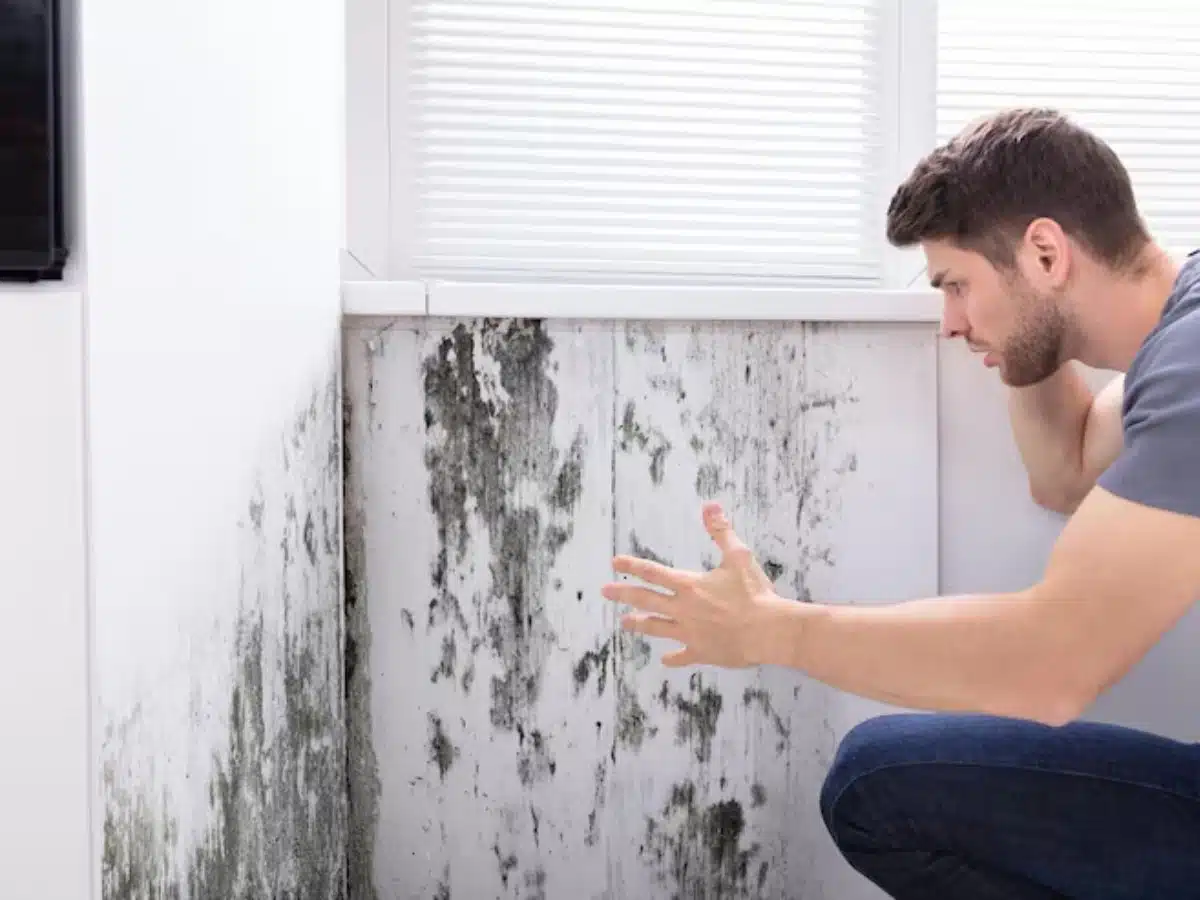
Black mold is one of the most feared household issues, yet many homeowners don’t fully understand what it actually looks like or how quickly it can spread. If you’ve ever wondered what black mold looks like, you’re not alone. Identifying it early can save you from serious property damage and costly repairs.
In this blog, we’ll uncover 10 shocking facts about black mold, how to recognize it, and when to consider professional black mold remediation or mold abatement services.
What Does Black Mold Look Like?
Black mold, commonly known as Stachybotrys chartarum, typically appears as dark green or black patches with a slimy or fuzzy texture. It thrives in damp, humid environments and often grows on materials like drywall, wood, and carpet.
However, its appearance can vary, which is why many homeowners miss the early warning signs.
1. Black Mold Isn’t Always Pure Black
Despite its name, black mold doesn’t always appear jet black. It can also look:
- Dark green
- Brownish-black
- Gray with dark spots
This variation often leads to confusion with dirt or mildew, delaying proper black mold removal near me searches.
2. It Often Starts as Small Spots
Black mold usually begins as tiny dots that gradually expand into larger patches.
Common early signs:
- Speckled black or green spots
- Discoloration on walls or ceilings
- Slight musty odor
Catching mold at this stage makes removal much easier.
3. It Thrives in Hidden Areas
One of the most shocking facts is that black mold often grows where you can’t see it.
Common hidden locations:
- Behind drywall
- Under carpets
- Inside HVAC systems
- Beneath sinks
That’s why understanding how to test for black mold is crucial for detecting hidden infestations.
4. Moisture Is Its Best Friend
Black mold requires moisture to grow and spread.
Common causes:
- Leaky pipes
- Roof leaks
- Flood damage
- High humidity
If these issues aren’t addressed quickly, mold growth becomes inevitable.
5. It Can Appear Slimy or Fuzzy
Depending on the surface and moisture level, black mold can have different textures:
- Slimy: In consistently damp areas
- Fuzzy or powdery: In drier conditions
This makes it harder to identify without proper inspection.
6. It Spreads Faster Than You Think
Mold can begin growing within 24–48 hours under the right conditions.
Understanding how long does black mold take to grow helps highlight the urgency of addressing moisture issues immediately.
7. It Leaves Stains Even After Cleaning
Even after cleaning, black mold can leave behind dark stains on surfaces.
This is because:
- Mold penetrates porous materials
- Surface cleaning doesn’t remove roots
In such cases, professional mold abatement may be required.
8. It Has a Strong Musty Odor
Sometimes, you can smell black mold before you see it.
Odor characteristics:
- Damp and earthy smell
- Persistent mustiness
- Stronger in enclosed spaces
If you notice this smell, it’s a sign to investigate further or consider mold removal st petersburg services.
9. It Can Grow on Almost Any Surface
Black mold is highly adaptable and can grow on:
- Drywall
- Wood
- Fabric
- Carpet
- Insulation
This versatility makes it a serious threat to both homes and belongings.
10. It Often Indicates Bigger Problems
Black mold is rarely just a surface issue. Its presence usually points to underlying problems such as:
- Water damage
- Poor ventilation
- Structural leaks
Ignoring these root causes can lead to recurring mold growth, even after cleaning.
When to Call Professionals
While small mold patches can sometimes be handled with DIY methods, larger infestations require professional help.
Call experts if:
- Mold covers a large area
- It keeps returning
- It’s located in hidden spaces
- You notice strong odors or health symptoms
Professional black mold remediation ensures complete removal and prevents future growth.
Importance of Mold Testing
If you’re unsure whether you’re dealing with black mold, testing is the safest approach.
Learning how to properly conduct how to test for black mold helps confirm the presence of mold and determine the severity of the issue.
Professional testing can also identify the type of mold and recommend the best treatment plan.
How Long Does Black Mold Take to Grow?
Mold growth can begin surprisingly fast. Under ideal conditions, black mold can start developing within just 24–48 hours.
Understanding how long does black mold take to grow emphasizes the importance of acting quickly after water damage or leaks.
Preventing Black Mold in Your Home
Prevention is always better than remediation. Here are some effective tips:
- Fix leaks immediately
- Use dehumidifiers in humid areas
- Ensure proper ventilation
- Clean and dry wet areas within 24 hours
- Regularly inspect hidden spaces
Taking these steps can significantly reduce the risk of mold growth.
Final Thoughts
Understanding what does black mold look like is the first step in protecting your home and health. From small dark spots to large slimy patches, black mold can appear in many forms and often hides in unexpected places.
By recognizing the signs early, learning how to test for black mold, and understanding how long does black mold take to grow, you can take proactive steps to prevent serious damage.
If the problem becomes too large or persistent, don’t hesitate to seek professional black mold remediation or mold abatement services to ensure your home remains safe and healthy.
Our Services


CLEANING

THERMAL IMAGING

bIOHAZARD CLEANUP
For Immediate Help
Call Us: (727) 400-4720
Call Us: (727) 400-4720
Available 24/7 Service
Recent Post
6 Signs Your Home Needs Immediate Ceiling Water Damage Repair
10 Shocking Facts About What Does Black Mold Look Like In Homes
8 Must-Try Household Methods for How to Remove Black Mold Easily
8 Key Factors That Impact Successful Water Damage Mitigation
9 Warning Signs Experts Reveal About How Long Does Black Mold Take To Grow
5 Things Experts Check Before Saying How Long Does Mold Remediation Take
SHARE THIS ARTICLE
What they say

Guido was amazing! He and his staff were responsive and very kind during a very difficult home damage crisis for my Family. He was extremely knowledgeable and gave great advice for our situation. We are so pleased with the whole job from start to finish and highly recommend Guido and his company!

John S.• Customer
After we discovered that our hot water heater had leaked, Guido came right over to assess the damage and set up fans and dehumidifiers. He was knowledgeable, pleasant, and professional.
Paula Prentiss • Customer
Guido Morfesi came over to assess a moisture issue we have with our slab foundation. Our engineered hardwood floors were installled directly on the slab and there is so much moisture in three areas that the floor is literally rotting.
Kerry Tracy • Customer
Guido was very helpful and provided honest and free advice identifying my issue was related to ventilation.
Mike Liberatore • Customer
Guido from Classic Restoration worked diligently to get our concerns addressed. He delivered on all his promises. Thank you for such great service!
Mike Hibbert • Customer
"I had a flooding issue in my basement, and Classic Restoration came to my rescue. Their team responded quickly and efficiently, and within hours, my basement was dry and clean. I highly recommend them for any water damage restoration needs."
Mike Hibbert • Customer
Rebuild your property after damages from either water, fire, molds, or other biohazards.
Areas We Serve
- Pinellas County:
- Palm Harbor
- Dunedin
- Tarpon Springs
- New Port Richey
- Clearwater
- Port Richey
- Holiday
- Odessa
- Oldsmar
- Hudson
- Bay Pines
- Belleair Beach
- Belleair Shore
- East Lake
- Gulfport
- Indian Rocks Beach
- Indian Shores
- Kenneth City
- Largo
- Safety Harbor
- Petersburg
- St. Petersburg Beach
- Tierra Verde
- Treasure Island
- Other Tampa Bay communities
Contact Us
