100% Satisfaction Guaranteed




February 27, 2026


5 Things Experts Check Before Saying How Long Does Mold Remediation Take
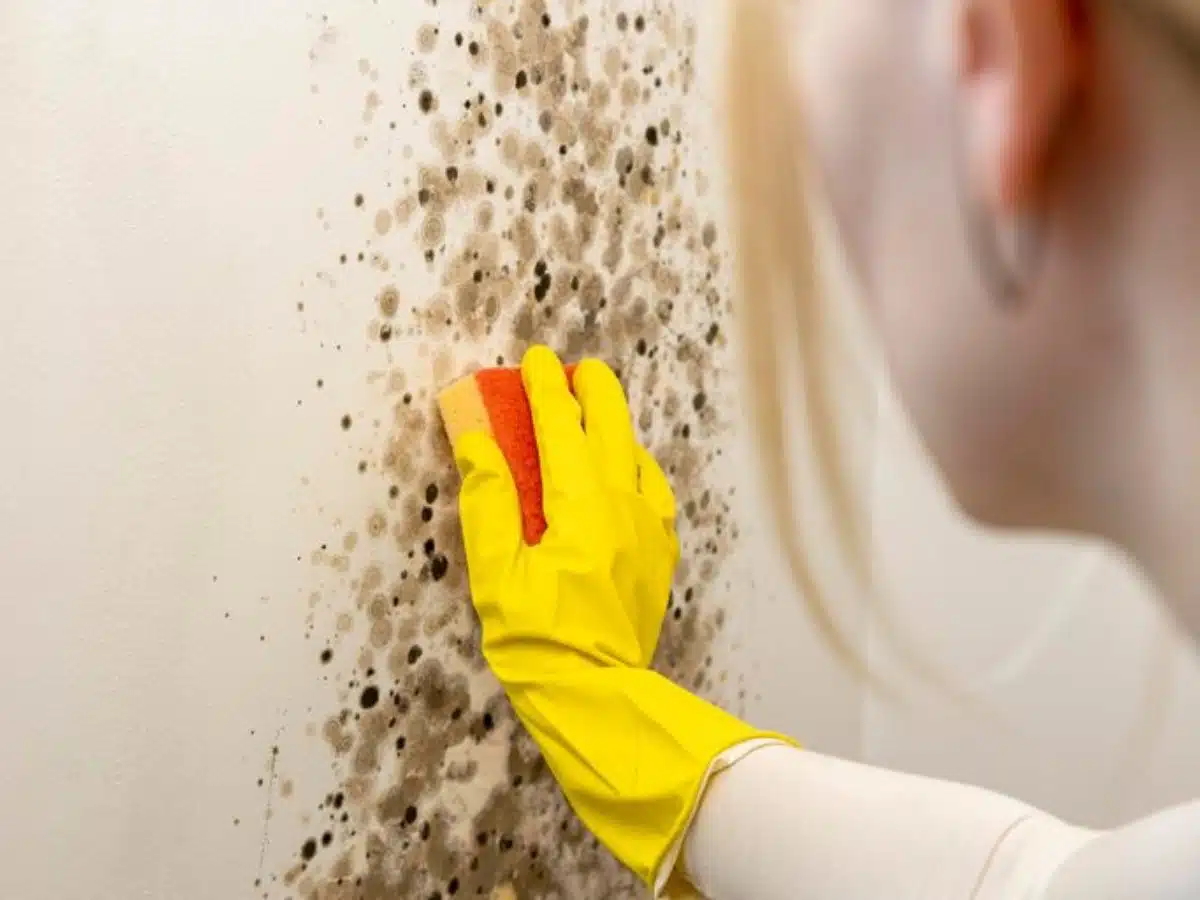
One of the first questions homeowners ask after discovering mold is: how long does mold remediation take? The honest answer is — it depends.
No reputable mold removal company can provide an accurate timeline without first inspecting the property. Mold growth varies depending on moisture levels, affected materials, contamination size, and structural damage. That’s why professional mold remediation services follow a detailed assessment process before giving a time estimate.
In this guide, we’ll break down the five key factors experts evaluate before determining how long remediation will take — and why each step matters.
Why Mold Remediation Timelines Vary
Mold is not just a surface issue. It can spread behind drywall, under flooring, inside HVAC systems, and within insulation. In humid climates like Florida, mold growth accelerates rapidly — especially when water damage is left untreated.
Many homeowners don’t realize that mold can begin spreading within 24–48 hours after moisture exposure. If you’re unsure about growth speed, understanding how long does it take for mold to grow is critical to preventing serious structural and health issues.
Because every case is different, timelines can range from:
- 1–2 days for small isolated areas
- 3–7 days for moderate contamination
- 1–3 weeks for severe structural damage
Let’s explore what experts check before giving a realistic timeline.
1. Size of the Affected Area
The first factor professionals assess is the total square footage impacted by mold.
Small-Scale Contamination
- Under 10 square feet
- Usually limited to a bathroom, sink cabinet, or small drywall section
- Can often be remediated within 1–2 days
Medium-Scale Growth
- 10–100 square feet
- May affect multiple walls or rooms
- Typically takes 3–5 days
Large-Scale Infestation
- Widespread structural contamination
- Includes ceilings, insulation, HVAC systems
- May require 1–3 weeks
A qualified mold removal company will measure moisture levels and use thermal imaging or moisture meters to assess hidden damage before estimating time.
2. Type of Materials Affected
Not all materials respond to mold the same way. Experts evaluate whether mold is growing on:
- Drywall
- Wood framing
- Carpet
- Insulation
- Concrete
- HVAC systems
Porous materials like drywall and insulation often require removal and replacement, extending the remediation timeline. Non-porous materials such as tile or metal can sometimes be cleaned and treated more quickly.
This is also why learning how to test for mold properly is essential. Surface discoloration alone doesn’t tell the full story — professional air and surface testing confirm contamination depth.
3. Moisture Source and Water Damage
Mold remediation cannot be completed without fixing the underlying moisture issue.
Professionals investigate:
- Roof leaks
- Plumbing leaks
- Foundation cracks
- Flood damage
- HVAC condensation problems
If the moisture source is ongoing, remediation will take longer because repairs must happen first.
For example:
- Minor pipe leaks may add 1–2 days
- Major water damage may require drying equipment for 3–5 days
- Flood-related structural damage can extend timelines significantly
Humidity-heavy regions like Florida are particularly prone to prolonged drying periods. That’s why homeowners searching for mold remediation st petersburg fl often need comprehensive moisture control solutions alongside mold removal.
4. Containment and Safety Measures
Professional mold removal is not just about scrubbing surfaces. Experts prioritize containment to prevent cross-contamination.
Safety protocols include:
- Sealing affected areas with plastic sheeting
- Negative air pressure systems
- HEPA air filtration
- Protective equipment (PPE)
Setting up containment zones can add 1–2 days to the process — but it prevents mold spores from spreading to clean areas.
A reputable mold removal company near me will never skip containment just to shorten the timeline. Safety and air quality are always prioritized over speed.
5. Post-Remediation Testing and Clearance
After cleaning and removal, experts conduct post-remediation verification.
This may include:
- Air quality testing
- Surface sampling
- Moisture rechecks
- Visual inspections
Clearance testing ensures the property is safe for occupancy. Depending on lab processing times, this step can add 1–3 days to the overall timeline.
Understanding how long does it take for mold to grow reinforces why this verification step is essential — mold can quickly return if moisture isn’t fully eliminated.
The Typical Mold Remediation Process Timeline
Here’s a general breakdown:
Day 1
- Inspection
- Testing
- Containment setup
Day 2–3
- Removal of contaminated materials
- HEPA vacuuming
- Antimicrobial treatments
Day 4–5
- Structural drying
- Repairs begin
Day 6+
- Final cleaning
- Air testing
- Clearance certification
More severe cases may extend beyond a week depending on structural damage.
Warning Signs That Remediation May Take Longer
Some factors increase project duration:
- Hidden mold behind walls
- Mold inside HVAC systems
- Multiple moisture sources
- Structural rot
- Delayed detection
If you suspect hidden contamination, professionals may recommend learning how to test for mold through certified air sampling before remediation begins.
Why Hiring Professionals Matters
Attempting DIY mold removal can:
- Spread spores
- Miss hidden contamination
- Cause health risks
- Result in regrowth
Professional mold remediation services provide:
- Certified inspection
- Safe containment
- Advanced drying equipment
- Licensed technicians
- Post-remediation verification
Working with experienced mold remediation companies ensures the job is completed thoroughly and safely.
How Quickly Should You Act?
Time is critical. Because mold can spread within 24–48 hours, delaying inspection increases remediation time and cost.
If you notice:
- Musty odors
- Water stains
- Visible black or green spots
- Allergy symptoms indoors
Contact a professional mold removal company immediately.
Homeowners in coastal Florida areas, especially those seeking mold remediation st petersburg fl, should act quickly due to high humidity levels that accelerate growth.
Final Thoughts
So, how long does mold remediation take? The answer depends on five critical factors:
- Size of the affected area
- Type of materials contaminated
- Source of moisture
- Containment requirements
- Post-remediation testing
No trustworthy professional mold removal provider will give an instant estimate without inspection. A proper assessment ensures accurate timelines, safe procedures, and complete elimination of mold.
Understanding how long does it take for mold to grow and knowing how to test for mold are key steps in protecting your property from long-term damage.
If you suspect mold in your home or business, don’t wait. Early detection and professional remediation not only shorten the process but also protect your health, property value, and peace of mind.
Our Services


CLEANING

THERMAL IMAGING

bIOHAZARD CLEANUP
For Immediate Help
Call Us: (727) 400-4720
Call Us: (727) 400-4720
Available 24/7 Service
Recent Post
Before & After: Water Damage & Wood Rot Restoration – A Complete Guide to Protecting Your Property
Top-Rated Water Restoration Company in Clearwater – Why Choose Us
6 Signs Your Home Needs Immediate Ceiling Water Damage Repair
10 Shocking Facts About What Does Black Mold Look Like In Homes
8 Must-Try Household Methods for How to Remove Black Mold Easily
8 Key Factors That Impact Successful Water Damage Mitigation
SHARE THIS ARTICLE
What they say

Guido was amazing! He and his staff were responsive and very kind during a very difficult home damage crisis for my Family. He was extremely knowledgeable and gave great advice for our situation. We are so pleased with the whole job from start to finish and highly recommend Guido and his company!

John S.• Customer
After we discovered that our hot water heater had leaked, Guido came right over to assess the damage and set up fans and dehumidifiers. He was knowledgeable, pleasant, and professional.
Paula Prentiss • Customer
Guido Morfesi came over to assess a moisture issue we have with our slab foundation. Our engineered hardwood floors were installled directly on the slab and there is so much moisture in three areas that the floor is literally rotting.
Kerry Tracy • Customer
Guido was very helpful and provided honest and free advice identifying my issue was related to ventilation.
Mike Liberatore • Customer
Guido from Classic Restoration worked diligently to get our concerns addressed. He delivered on all his promises. Thank you for such great service!
Mike Hibbert • Customer
"I had a flooding issue in my basement, and Classic Restoration came to my rescue. Their team responded quickly and efficiently, and within hours, my basement was dry and clean. I highly recommend them for any water damage restoration needs."
Mike Hibbert • Customer
Rebuild your property after damages from either water, fire, molds, or other biohazards.
Areas We Serve
- Pinellas County:
- Palm Harbor
- Dunedin
- Tarpon Springs
- New Port Richey
- Clearwater
- Port Richey
- Holiday
- Odessa
- Oldsmar
- Hudson
- Bay Pines
- Belleair Beach
- Belleair Shore
- East Lake
- Gulfport
- Indian Rocks Beach
- Indian Shores
- Kenneth City
- Largo
- Safety Harbor
- Petersburg
- St. Petersburg Beach
- Tierra Verde
- Treasure Island
- Other Tampa Bay communities
Contact Us
