100% Satisfaction Guaranteed




February 26, 2026


5 Step-by-Step Secrets Explaining How to Test for Black Mold Correctly
Black mold is one of the most concerning issues homeowners face — especially in humid climates. Whether you notice a musty smell, dark wall stains, or recent water damage, learning how to test for black mold correctly is critical to protecting your home and your health.
Many homeowners attempt DIY testing without understanding the proper process, leading to inaccurate results or delayed action. In this guide, we’ll walk you through five step-by-step secrets to properly identify potential mold problems and determine when professional black mold remediation is necessary.
Why Black Mold Testing Matters
Black mold (often Stachybotrys chartarum) thrives in damp, humid environments. It commonly appears in:
- Basements
- Bathrooms
- Attics
- Behind drywall
- Under flooring
- Around leaking pipes
Unchecked mold growth can damage property and trigger respiratory symptoms, allergies, headaches, and other health concerns.
Before you consider black mold removal services, proper testing ensures you understand the scope of the problem.
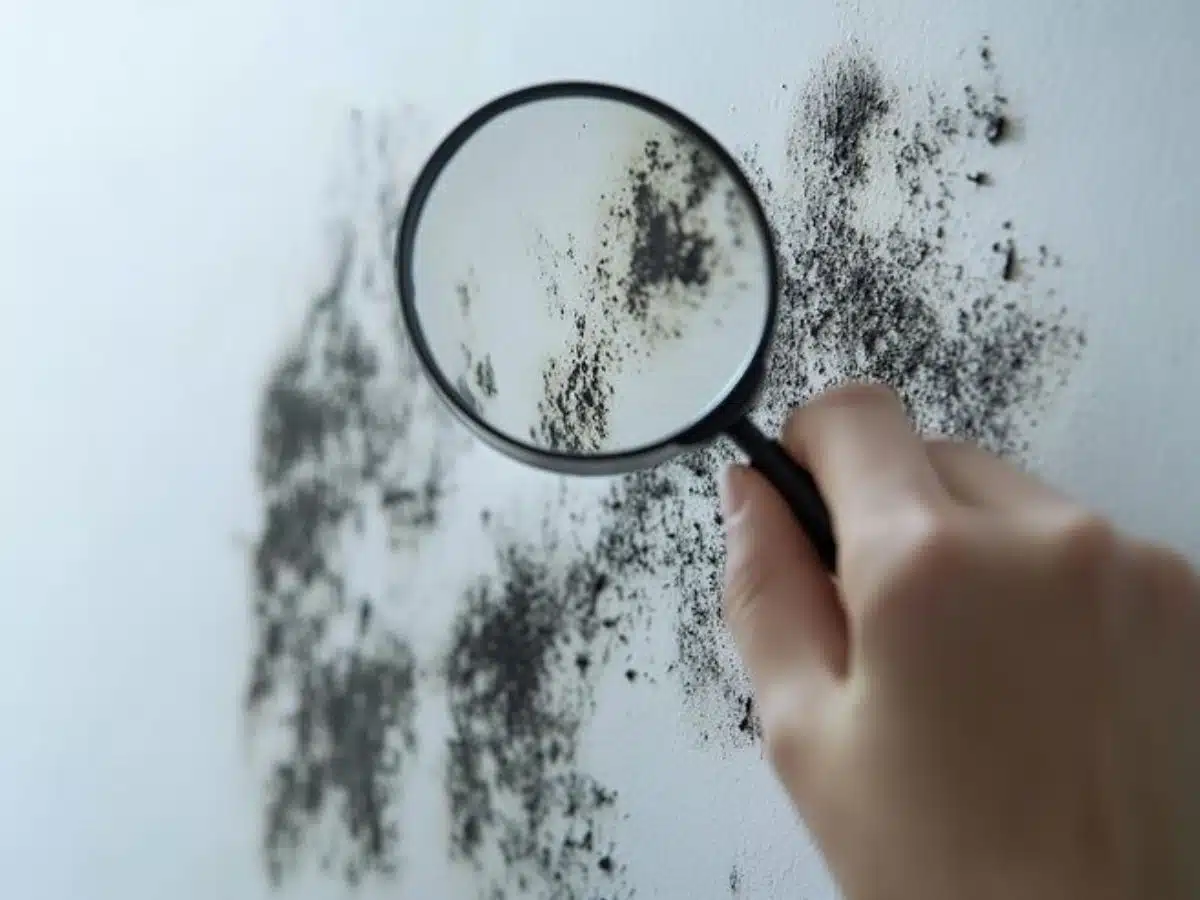
Step 1: Identify Visible and Hidden Warning Signs
The first step in understanding how to test for black mold is knowing what to look for.
Visible Signs:
- Dark green or black patches on walls or ceilings
- Warped drywall
- Peeling paint
- Water stains
Hidden Signs:
- Persistent musty odor
- Allergy-like symptoms indoors
- Recent flooding or leaks
- High indoor humidity
Pay special attention to areas prone to moisture, such as mold in basement spaces where ventilation may be limited.
Even if mold isn’t visible, hidden growth behind walls or under carpets is common after water damage.
Step 2: Understand How Quickly Mold Can Develop
Timing is critical when dealing with moisture problems.
Many homeowners ask:
- How fast does mold grow?
- How long does it take for mold to grow?
The reality is alarming.
Under ideal conditions, mold can begin forming within 24 to 48 hours after water exposure. You can learn more in detail about How Fast Does Mold Grow and why rapid action is essential.
Similarly, understanding how long does it take for mold to grow helps homeowners respond quickly after leaks or flooding.
The longer moisture remains, the higher the risk of widespread contamination — which may require professional black mold remediation.
Step 3: Choose the Right Mold Testing Method
When learning how to test for black mold, selecting the proper method is key.
There are three primary testing approaches:
1. DIY Mold Test Kits
Available at hardware stores, these kits collect air or surface samples.
Pros:
- Affordable
- Easy to use
Cons:
- Limited accuracy
- No professional interpretation
- Cannot determine full contamination extent
DIY kits may confirm mold presence but cannot replace professional evaluation.
2. Surface Sampling
Professionals use swabs or tape lifts to collect visible mold samples for lab analysis.
This method:
- Identifies mold type
- Confirms if it’s toxic black mold
- Helps determine severity
3. Air Quality Testing
Air sampling detects mold spores circulating indoors, even if mold isn’t visible.
This is especially important for:
- Mold in basement areas
- HVAC contamination
- Hidden wall cavities
Air testing helps assess whether full black mold removal is necessary.
Step 4: Measure Moisture Levels
Testing for mold isn’t just about visible growth. Moisture detection is equally important.
Professional inspectors use:
- Moisture meters
- Infrared thermal imaging
- Hygrometers
High humidity (above 60%) creates ideal mold conditions. Leaks behind drywall often go unnoticed without specialized equipment.
Understanding moisture levels helps prevent future outbreaks after black mold removal services are completed.
Step 5: Know When to Call Black Mold Removal Professionals
If testing confirms mold growth, the next step is deciding whether professional remediation is required.
Call a Professional If:
- Mold covers more than 10 square feet
- Mold is inside HVAC systems
- Mold is in walls or insulation
- You experience health symptoms
- The area has extensive water damage
Searching for black mold removal near me connects you with certified specialists who follow industry safety protocols.
Professional black mold remediation includes:
- Containment of affected areas
- HEPA air filtration
- Safe removal of contaminated materials
- Antimicrobial treatment
- Moisture source correction
DIY removal for large infestations can spread spores and worsen the problem.
Common Mistakes When Testing for Black Mold
Understanding how to test for black mold correctly also means avoiding common errors:
- Ignoring Musty Odors
Smell often indicates hidden mold before visible signs appear.
- Cleaning Mold Before Testing
Disturbing mold without containment spreads spores.
- Assuming It’s Just Dirt
Black stains aren’t always mold — lab confirmation is essential.
- Delaying Testing After Water Damage
Remember: mold can begin forming within 24–48 hours.
How Basement Mold Develops
Basements are particularly vulnerable due to:
- Poor ventilation
- Groundwater intrusion
- High humidity
- Foundation cracks
If you suspect mold in basement areas, early testing can prevent structural damage and costly repairs.
Basement mold often requires professional black mold removal services because it spreads behind walls and beneath flooring.
Health Risks Associated with Black Mold
While not all black mold is toxic, prolonged exposure may cause:
- Chronic coughing
- Sneezing
- Eye irritation
- Skin rashes
- Headaches
- Respiratory issues
Children, elderly individuals, and people with asthma are especially vulnerable.
Proper testing ensures your indoor environment remains safe.
Preventing Mold After Testing
Whether your test results are positive or negative, prevention is key.
Preventive Measures:
- Repair leaks immediately
- Use dehumidifiers in damp areas
- Improve ventilation
- Clean gutters regularly
- Seal foundation cracks
- Inspect after storms or flooding
Understanding how fast mold develops reinforces the importance of quick action.
Final Thoughts
Learning how to test for black mold correctly can save thousands of dollars in property damage and protect your family’s health.
To recap the five secrets:
- Identify visible and hidden warning signs
- Understand how quickly mold grows
- Choose the right testing method
- Measure moisture levels
- Call professionals when necessary
If testing confirms contamination, searching for reliable black mold removal near me ensures safe and effective treatment.
Professional black mold remediation eliminates not just surface mold but also hidden spores and moisture sources, preventing recurrence.
Mold problems escalate quickly — often within days. Acting early, testing properly, and consulting experts when needed will keep your home safe, dry, and healthy for years to come.
Our Services


CLEANING

THERMAL IMAGING

bIOHAZARD CLEANUP
For Immediate Help
Call Us: (727) 400-4720
Call Us: (727) 400-4720
Available 24/7 Service
Recent Post
Before & After: Water Damage & Wood Rot Restoration – A Complete Guide to Protecting Your Property
Top-Rated Water Restoration Company in Clearwater – Why Choose Us
6 Signs Your Home Needs Immediate Ceiling Water Damage Repair
10 Shocking Facts About What Does Black Mold Look Like In Homes
8 Must-Try Household Methods for How to Remove Black Mold Easily
8 Key Factors That Impact Successful Water Damage Mitigation
SHARE THIS ARTICLE
What they say

Guido was amazing! He and his staff were responsive and very kind during a very difficult home damage crisis for my Family. He was extremely knowledgeable and gave great advice for our situation. We are so pleased with the whole job from start to finish and highly recommend Guido and his company!

John S.• Customer
After we discovered that our hot water heater had leaked, Guido came right over to assess the damage and set up fans and dehumidifiers. He was knowledgeable, pleasant, and professional.
Paula Prentiss • Customer
Guido Morfesi came over to assess a moisture issue we have with our slab foundation. Our engineered hardwood floors were installled directly on the slab and there is so much moisture in three areas that the floor is literally rotting.
Kerry Tracy • Customer
Guido was very helpful and provided honest and free advice identifying my issue was related to ventilation.
Mike Liberatore • Customer
Guido from Classic Restoration worked diligently to get our concerns addressed. He delivered on all his promises. Thank you for such great service!
Mike Hibbert • Customer
"I had a flooding issue in my basement, and Classic Restoration came to my rescue. Their team responded quickly and efficiently, and within hours, my basement was dry and clean. I highly recommend them for any water damage restoration needs."
Mike Hibbert • Customer
Rebuild your property after damages from either water, fire, molds, or other biohazards.
Areas We Serve
- Pinellas County:
- Palm Harbor
- Dunedin
- Tarpon Springs
- New Port Richey
- Clearwater
- Port Richey
- Holiday
- Odessa
- Oldsmar
- Hudson
- Bay Pines
- Belleair Beach
- Belleair Shore
- East Lake
- Gulfport
- Indian Rocks Beach
- Indian Shores
- Kenneth City
- Largo
- Safety Harbor
- Petersburg
- St. Petersburg Beach
- Tierra Verde
- Treasure Island
- Other Tampa Bay communities
Contact Us
