100% Satisfaction Guaranteed


April 30, 2026


Before & After: Water Damage & Wood Rot Restoration – A Complete Guide to Protecting Your Property
Water damage is one of the most common yet destructive problems homeowners and business owners face. When left untreated, it doesn’t just affect the appearance of your property—it leads to serious structural issues like wood rot and even mold growth. Understanding the transformation from before to after restoration can help you realize the importance of acting quickly and choosing the right professionals.
Understanding Water Damage and Wood Rot
Water damage occurs when excess moisture infiltrates a structure due to leaks, flooding, roof damage, or plumbing issues. Over time, this moisture weakens building materials, especially wood.
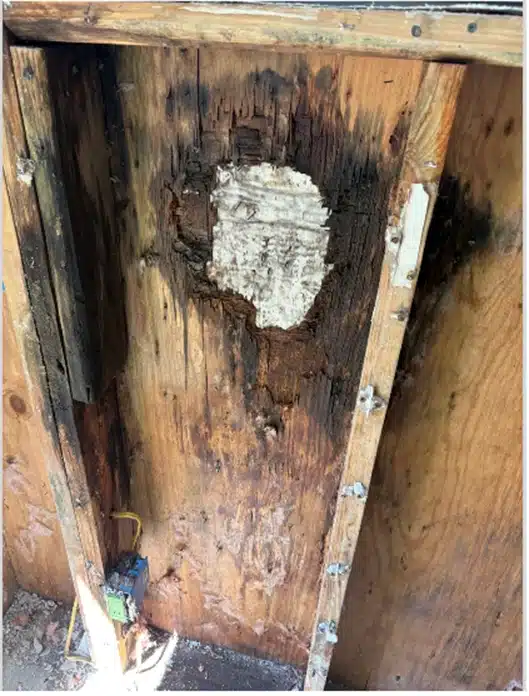
Wood rot is a direct result of prolonged exposure to moisture. It is caused by fungi that thrive in damp environments, breaking down the fibers of the wood and causing it to:
- Lose strength
- Crack and crumble
- Develop dark stains and soft spots
If left untreated, wood rot can spread quickly, affecting walls, floors, and even the structural framework of your property.
The “Before” Condition: Signs of Severe Damage
Before restoration, properties affected by water damage and wood rot often show clear warning signs. These include:
1. Visible Discoloration
Dark stains, yellow patches, or blackened wood indicate moisture buildup and potential mold growth.
2. Soft or Crumbling Wood
When wood becomes soft to the touch or begins to break apart, it’s a clear sign of advanced rot.
3. Musty Odor
A persistent damp smell usually points to hidden mold or long-term water damage.
4. Structural Weakness
Walls, beams, and supports may lose their strength, increasing the risk of collapse or costly repairs.
5. Mold Growth
Moist environments create the perfect breeding ground for mold, which can impact indoor air quality and health.
In this stage, the damage is not just cosmetic—it’s a serious safety concern that requires immediate professional attention.
The Restoration Process: Step-by-Step Transformation
Turning a damaged property into a safe and livable space requires a strategic and professional approach. Here’s how the transformation typically happens:
1. Inspection & Damage Assessment
Experts begin with a thorough inspection to identify the source of water intrusion and assess the extent of damage.
2. Moisture Control & Water Removal
Using advanced equipment, all excess water is removed. Dehumidifiers and air movers are used to fully dry the affected areas.
3. Mold Remediation
If mold is present, it is safely removed using industry-approved methods to prevent further contamination.
4. Removal of Damaged Materials
All rotted and compromised wood is carefully removed to stop the spread of decay.
5. Structural Repairs & Replacement
New, treated materials replace the damaged sections, restoring the structure’s strength and stability.
6. Prevention Measures
Sealants, waterproofing, and ventilation improvements are applied to prevent future issues.
The “After” Result: A Safe and Restored Property
After professional restoration, the transformation is remarkable:
- The structure is strong and stable
- All moisture issues are resolved
- Mold and contaminants are eliminated
- Surfaces are clean, fresh, and safe
- The property regains its value and appearance
This “after” stage is not just about aesthetics—it’s about ensuring long-term durability and safety.
Why Timely Restoration Is Critical
Delaying water damage repair can lead to:
- Increased repair costs
- Structural instability
- Health risks from mold exposure
- Reduced property value
Acting quickly can save thousands of dollars and prevent further damage.
Why Choose Classic Restoration for Water Damage & Wood Rot Services
When it comes to protecting your property, choosing the right restoration company makes all the difference. Classic Restoration stands out as a trusted name in water damage and wood-rot restoration services.
1. Experienced & Skilled Team
Classic Restoration brings years of hands-on experience in handling complex restoration projects. Their team understands how to identify hidden damage and provide long-lasting solutions.
2. Advanced Equipment & Techniques
They use industry-grade tools for moisture detection, drying, and mold removal, ensuring thorough and efficient restoration.
3. Comprehensive Services
From initial inspection to final repairs, Classic Restoration handles the entire process, so you don’t have to deal with multiple contractors.
4. Fast Response Time
Water damage worsens quickly. Their rapid response team ensures immediate action to minimize damage and reduce costs.
5. Focus on Safety & Quality
Every project is completed with strict safety standards, ensuring your home or business is safe, clean, and structurally sound.
6. Customer-Centric Approach
They prioritize customer satisfaction, providing transparent communication and tailored solutions based on your specific needs.
Preventing Future Water Damage and Wood Rot
While professional restoration solves the problem, prevention is equally important. Here are some tips:
- Regularly inspect roofs and plumbing for leaks
- Ensure proper drainage around your property
- Use dehumidifiers in high-moisture areas
- Seal cracks and openings in walls
- Schedule routine maintenance checks
These simple steps can help you avoid costly repairs in the future.
Final Thoughts
Water damage and wood rot can silently destroy your property if ignored. The difference between the “before” and “after” stages of restoration highlights the importance of timely action and professional expertise.
By choosing a reliable company like Classic Restoration, you ensure that your property is not only repaired but also protected against future damage. Their expertise, advanced techniques, and commitment to quality make them the ideal partner for restoring your home or business.
Our Services


CLEANING

THERMAL IMAGING

bIOHAZARD CLEANUP
For Immediate Help
Call Us: (727) 400-4720
Call Us: (727) 400-4720
Available 24/7 Service
Recent Post
Before & After: Water Damage & Wood Rot Restoration – A Complete Guide to Protecting Your Property
Top-Rated Water Restoration Company in Clearwater – Why Choose Us
6 Signs Your Home Needs Immediate Ceiling Water Damage Repair
10 Shocking Facts About What Does Black Mold Look Like In Homes
8 Must-Try Household Methods for How to Remove Black Mold Easily
8 Key Factors That Impact Successful Water Damage Mitigation
SHARE THIS ARTICLE
What they say

Guido was amazing! He and his staff were responsive and very kind during a very difficult home damage crisis for my Family. He was extremely knowledgeable and gave great advice for our situation. We are so pleased with the whole job from start to finish and highly recommend Guido and his company!

John S.• Customer
After we discovered that our hot water heater had leaked, Guido came right over to assess the damage and set up fans and dehumidifiers. He was knowledgeable, pleasant, and professional.
Paula Prentiss • Customer
Guido Morfesi came over to assess a moisture issue we have with our slab foundation. Our engineered hardwood floors were installled directly on the slab and there is so much moisture in three areas that the floor is literally rotting.
Kerry Tracy • Customer
Guido was very helpful and provided honest and free advice identifying my issue was related to ventilation.
Mike Liberatore • Customer
Guido from Classic Restoration worked diligently to get our concerns addressed. He delivered on all his promises. Thank you for such great service!
Mike Hibbert • Customer
"I had a flooding issue in my basement, and Classic Restoration came to my rescue. Their team responded quickly and efficiently, and within hours, my basement was dry and clean. I highly recommend them for any water damage restoration needs."
Mike Hibbert • Customer
Rebuild your property after damages from either water, fire, molds, or other biohazards.
Areas We Serve
- Pinellas County:
- Palm Harbor
- Dunedin
- Tarpon Springs
- New Port Richey
- Clearwater
- Port Richey
- Holiday
- Odessa
- Oldsmar
- Hudson
- Bay Pines
- Belleair Beach
- Belleair Shore
- East Lake
- Gulfport
- Indian Rocks Beach
- Indian Shores
- Kenneth City
- Largo
- Safety Harbor
- Petersburg
- St. Petersburg Beach
- Tierra Verde
- Treasure Island
- Other Tampa Bay communities
Contact Us
