100% Satisfaction Guaranteed


December 23, 2025


Mold Inspection Services vs DIY Testing: What Really Works?
Mold is more than just an unsightly problem—it compromises indoor air quality, damages property, and leads to costly repairs if left untreated. When homeowners or business owners suspect mold, the first big question is often whether to rely on professional mold inspection services or attempt a do-it-yourself (DIY) mold test. While DIY kits may seem convenient and affordable, do they actually work as well as expert inspections?
In this guide, we’ll break down the differences between professional mold inspections and DIY testing, explain when each option makes sense, and help you decide the most effective approach for protecting your property.
Understanding Mold and Why It’s a Serious Issue
Mold thrives in damp, humid environments and often grows unnoticed behind walls, under flooring, or in HVAC systems. Water leaks, flooding, and high humidity levels are common triggers. That’s why mold issues are frequently associated with water damage restoration in St.Petersburg and other coastal or humid regions.
If not correctly identified and addressed, mold can spread rapidly, resulting in structural damage and necessitating extensive mold removal services.
What Are Mold Inspection Services?
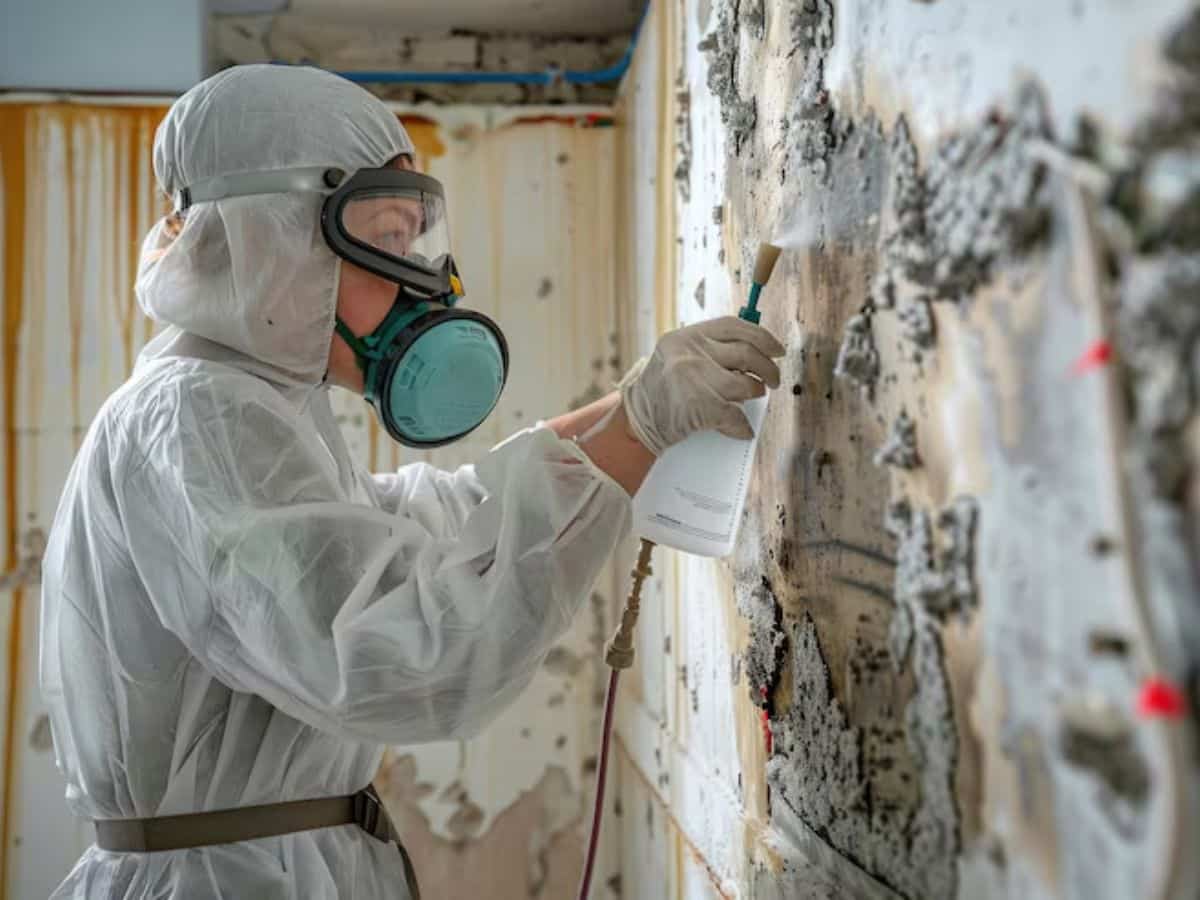
Professional mold inspection services involve a comprehensive evaluation of your property by trained specialists. These experts don’t just look for visible mold—they identify moisture sources, hidden growth, and conditions that promote mold development.
What professional mold inspectors typically do:
- Conduct visual inspections of high-risk areas
- Use moisture meters and thermal imaging
- Collect air and surface samples when necessary
- Identify mold types and contamination levels
- Provide detailed inspection reports with recommendations
If you’ve searched for mold inspection near me, chances are you’re already aware that professional inspections go far beyond what DIY kits can offer.
What Is DIY Mold Testing?
DIY mold testing kits are widely available online and in hardware stores. These kits usually involve collecting air or surface samples and sending them to a lab or waiting for visible growth on a petri dish.
Common DIY mold testing methods include:
- Air sampling kits
- Surface swabs
- Petri dish exposure tests
While these kits may detect the presence of mold spores, they often lack context and accuracy, making it difficult to determine the severity or source of the problem.
Mold Inspection Services vs DIY Testing: Key Differences
1. Accuracy and Reliability
DIY kits can confirm that mold spores exist—but mold spores are naturally present in almost all indoor environments. Professional mold inspection services focus on identifying abnormal mold levels, moisture sources, and hidden growth patterns, which DIY kits cannot accurately assess.
2. Identifying the Source
DIY testing doesn’t tell you why mold is present. Professional inspectors trace moisture intrusion, leaks, or ventilation issues that are causing mold growth. This is critical for long-term prevention.
3. Scope of Inspection
DIY kits only test small areas. A professional inspection evaluates the entire property, including crawl spaces, attics, HVAC systems, and wall cavities—areas commonly missed by DIY testing.
4. Actionable Results
Professional inspections provide clear recommendations, whether that involves repairs, containment, or hiring a mold removal company. DIY results often leave homeowners unsure of what steps to take next.
When DIY Mold Testing Might Make Sense
DIY mold testing can be useful in limited situations, such as:
- Confirming visible mold growth you already suspect
- Monitoring a previously treated area
- Educational or informational purposes
However, DIY testing should not replace professional inspections, especially when mold is widespread, recurring, or linked to water damage.
Why Professional Mold Inspection Services Are More Effective
Professional inspections are designed to uncover both visible and hidden mold issues. This is particularly important in areas with frequent humidity and storm-related water intrusion, such as mold inspection St Petersburg FL and surrounding communities.
Experienced inspectors understand local building conditions and environmental factors, allowing them to provide more accurate assessments and tailored solutions.
The Role of Mold Removal Services
Once mold is identified, the next step is safe and effective remediation. A certified mold removal company follows industry standards to:
- Contain affected areas
- Remove contaminated materials
- Clean and sanitize surfaces
- Address moisture issues to prevent recurrence
Professional mold removal services ensure the problem is fully resolved rather than temporarily masked.
Commercial Mold Inspection and Remediation: Why DIY Isn’t an Option
For businesses, mold issues can disrupt operations, damage inventory, and create liability concerns. DIY testing is not suitable for commercial properties due to their size, complexity, and regulatory requirements.
Professional Commercial Mold Remediation is essential for:
- Office buildings
- Retail spaces
- Healthcare facilities
- Schools and industrial sites
Learn more about expert Commercial Mold Remediation solutions that ensure compliance, safety, and long-term protection.
When mold contamination is severe, full-scale Commercial Mold Removal may be required to restore safe working conditions and protect employees and customers. Explore professional Commercial Mold Removal services designed for large-scale and high-risk environments.
Mold and Water Damage: A Critical Connection
Mold rarely exists without moisture. That’s why mold inspections often go hand in hand with water damage restoration St Petersburg services. Flooding, roof leaks, plumbing failures, and storm damage create the perfect environment for mold growth.
Professional inspectors and restoration teams work together to:
- Dry affected areas thoroughly
- Repair water-damaged materials
- Prevent future mold growth
Ignoring water damage can result in repeated mold problems, even after cleanup.
Cost Comparison: DIY vs Professional Mold Inspection
DIY kits may cost less upfront, but they can lead to costly mistakes:
- Misinterpreting results
- Missing hidden mold
- Delaying proper remediation
Professional mold inspection services may have a higher initial cost, but they provide accurate diagnoses, clear action plans, and long-term savings by preventing further damage.
Final Verdict: What Really Works?
So, which option truly works—DIY mold testing or professional mold inspection services?
DIY testing can offer limited insights, but it cannot replace the expertise, tools, and thoroughness of a professional inspection. For accurate results, effective solutions, and peace of mind, professional mold inspection and remediation are the clear winners.
If you’re searching for mold inspection near me, dealing with recurring mold, or managing a commercial property, investing in professional services ensures your space is safe, healthy, and mold-free.
Our Services


CLEANING

THERMAL IMAGING

bIOHAZARD CLEANUP
For Immediate Help
Call Us: (727) 400-4720
Call Us: (727) 400-4720
Available 24/7 Service
Recent Post
4 Surprising Situations Where You’ll Wonder: How Fast Does Mold Grow Overnight?
12 Must-Know Facts Before Trusting a Company for Water Damage Services
How Long Does It Take for Mold to Grow? Causes, Risks & Solutions
How to Test for Mold: A Complete Step-by-Step Guide
Mold Inspection Services vs DIY Testing: What Really Works?
How Basement Flood Cleanup Services Prevent Long-Term Damage
SHARE THIS ARTICLE
What they say

Guido was amazing! He and his staff were responsive and very kind during a very difficult home damage crisis for my Family. He was extremely knowledgeable and gave great advice for our situation. We are so pleased with the whole job from start to finish and highly recommend Guido and his company!

John S.• Customer
After we discovered that our hot water heater had leaked, Guido came right over to assess the damage and set up fans and dehumidifiers. He was knowledgeable, pleasant, and professional.
Paula Prentiss • Customer
Guido Morfesi came over to assess a moisture issue we have with our slab foundation. Our engineered hardwood floors were installled directly on the slab and there is so much moisture in three areas that the floor is literally rotting.
Kerry Tracy • Customer
Guido was very helpful and provided honest and free advice identifying my issue was related to ventilation.
Mike Liberatore • Customer
Guido from Classic Restoration worked diligently to get our concerns addressed. He delivered on all his promises. Thank you for such great service!
Mike Hibbert • Customer
"I had a flooding issue in my basement, and Classic Restoration came to my rescue. Their team responded quickly and efficiently, and within hours, my basement was dry and clean. I highly recommend them for any water damage restoration needs."
Mike Hibbert • Customer
Rebuild your property after damages from either water, fire, molds, or other biohazards.
Areas We Serve
- Pinellas County:
- Palm Harbor
- Dunedin
- Tarpon Springs
- New Port Richey
- Clearwater
- Port Richey
- Holiday
- Odessa
- Oldsmar
- Hudson
- Bay Pines
- Belleair Beach
- Belleair Shore
- East Lake
- Gulfport
- Indian Rocks Beach
- Indian Shores
- Kenneth City
- Largo
- Safety Harbor
- Petersburg
- St. Petersburg Beach
- Tierra Verde
- Treasure Island
- Other Tampa Bay communities
Contact Us
